
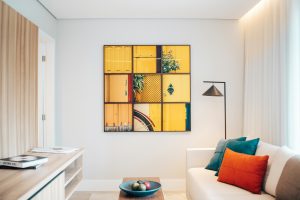
Enhancing a home environment involves more than simply decorating a space with attractive furnishings. It is a thoughtful process that combines design, functionality, and personal expression to create an atmosphere that supports well-being and reflects individual identity. A well-crafted environment can influence mood, improve comfort, and even increase productivity, making it a valuable investment in both lifestyle and long-term satisfaction.
The most successful interiors are those that feel intentional yet effortless. They balance visual appeal with everyday usability, allowing each room to serve its purpose while maintaining a cohesive aesthetic. By exploring creative approaches to design, homeowners can transform their spaces into environments that feel refreshed, inspiring, and uniquely their own.
Embracing Natural Elements for a Balanced Atmosphere
One of the most effective ways to enhance a home environment is by incorporating natural elements. Materials such as wood, stone, and woven fibers introduce warmth and texture that cannot be replicated by synthetic alternatives. These elements create a grounded and inviting atmosphere that feels both timeless and comforting.
Natural light plays an equally important role. Maximizing sunlight through open layouts, strategically placed mirrors, and light window treatments can make spaces feel larger and more vibrant. The interplay between light and natural materials adds depth, creating a layered and dynamic environment that changes throughout the day.
Indoor greenery further enhances this connection to nature. Plants improve air quality while adding visual interest and color. Whether displayed as statement pieces or subtle accents, they bring life into the home and contribute to a sense of calm. This integration of natural elements fosters an environment that feels balanced and restorative.
Integrating Art as a Transformative Feature
Art has the unique ability to transform a space by adding personality, emotion, and visual intrigue. Rather than treating art as an afterthought, it should be considered a central component of interior design. Carefully chosen pieces can anchor a room, guide the color palette, and establish the overall tone.
Photography, in particular, offers a versatile and impactful approach to interior enhancement. The work of artists known for capturing dramatic landscapes and striking compositions demonstrates how imagery can elevate a space with both scale and emotion. For example, collections inspired by Peter Lik photography showcase how bold visuals and vivid detail can create immersive focal points within a home.
Placement is crucial when integrating art. Large pieces often work best in living areas or entryways, where they can command attention. Smaller works can be grouped to form gallery walls, adding dimension and storytelling to hallways or personal spaces. Thoughtful arrangement ensures that art complements the environment while maintaining its own presence.
Layering Lighting for Depth and Versatility
Lighting is a powerful design element that influences how a space is perceived and experienced. A well-lit home goes beyond basic functionality, using layers of illumination to create depth and adaptability. Combining ambient, task, and accent lighting allows for a flexible environment that can shift according to different needs.
Ambient lighting establishes the foundation, providing overall brightness. Task lighting is more focused, supporting activities such as reading or cooking. Accent lighting highlights specific features, including artwork, architectural details, or textured surfaces. Together, these layers create a balanced and visually engaging atmosphere.
The choice of fixtures also contributes to the overall aesthetic. Sculptural pendants, sleek floor lamps, and understated recessed lighting can each reinforce a specific design direction. By carefully selecting and positioning lighting elements, homeowners can enhance both the functionality and visual appeal of their spaces.
Introducing Texture for Visual and Sensory Interest
Texture is an essential component of interior design that adds richness and complexity to a space. Without variation in surfaces and materials, even the most carefully designed rooms can feel flat. Introducing texture creates contrast and visual interest while contributing to a more inviting environment.
Soft furnishings, such as rugs, cushions, and drapery, provide comfort and warmth. Harder materials, including metal, glass, and stone, add structure and sophistication. The interplay between these elements creates a balanced composition that engages both sight and touch.
Color also interacts closely with texture. Neutral tones can be elevated through layered materials, while bold colors benefit from subtle textural variation that prevents the space from feeling overwhelming. By thoughtfully combining textures, homeowners can achieve a sense of depth that enhances the overall design.
Creating Functional Zones for Modern Living
Modern living often requires spaces to serve multiple purposes. Creating functional zones within a home allows for better organization and improved usability without compromising aesthetics. Open-plan layouts, for example, can be divided into distinct areas through strategic furniture placement, rugs, or lighting.
Defining zones helps establish a sense of order while maintaining visual flow. A living room can include a reading corner, a conversation area, and a workspace, each with its own identity. These zones make the space more versatile and responsive to daily needs.
Storage solutions also play a key role in maintaining a clean and organized environment. Built-in shelving, concealed storage, and multifunctional furniture help reduce clutter while enhancing the overall design. A well-organized home supports both efficiency and relaxation, contributing to a more enjoyable living experience.
Personalizing the Space with Thoughtful Details
Personalization is what ultimately transforms a well-designed space into a true home. Incorporating meaningful objects, such as travel souvenirs, family heirlooms, or curated collections, adds character and authenticity. These elements tell a story and create a deeper connection between the space and its occupants.
Careful curation is essential to avoid clutter. Each piece should have a purpose and complement the overall design. Arranging items thoughtfully ensures that the space feels intentional rather than crowded. Even small details, such as decorative accents or carefully selected books, can contribute to a cohesive and personalized aesthetic.
Color choices also offer opportunities for personalization. Accent walls, statement furniture, or unique artwork can reflect individual taste while enhancing the overall design. When combined with thoughtful styling, these details create a home environment that feels both distinctive and harmonious.
Conclusion
Enhancing a home environment is a creative process that blends design principles with personal expression. By incorporating natural elements, integrating art, layering lighting, and introducing texture, homeowners can create spaces that are both visually appealing and functional. Thoughtful zoning and personalization further refine the environment, ensuring that it meets the practical and emotional needs of its occupants.
A well-designed home is more than a collection of beautiful objects. It is a space that supports daily life while inspiring comfort and creativity. Through intentional design choices, any home can be transformed into an environment that not only looks elevated but also feels meaningful and enduring.