
A Tanzania safari day doesn’t begin with an alarm clock. It begins with light. Before the sun fully rises, the air is cool and quiet. Coffee steams softly. Somewhere beyond camp, birds begin calling, and the bush stirs almost imperceptibly. There’s no rush, yet everyone is ready because the day is already moving.
A Tanzania safari day feels natural because it follows wildlife, not a fixed schedule. Time stretches and contracts based on heat, movement, and instinct. By the end of the day, travelers often realize they never once checked the clock, and that’s the point.
Early Morning Safari Hours
The first hours after dawn are the most important. This is when wildlife is active and visible. Predators are still moving after the night hunt. Herbivores graze before the heat sets in. Tracks are fresh, and the light is gentle, revealing detail without glare.
An early morning safari in Tanzania isn’t about speed; it’s about attentiveness. Vehicle move slowly. Engine stop often. Guide listens as much as they watch, reading sounds and subtle movement.
This is why the daily safari routine in Tanzania begins early. Not because it’s traditional, but because it works. Wildlife activity peaks at first light, and the entire ecosystem feels alert and responsive. For travelers, this part of the day feels immersive. You’re awake with the land, not ahead of it or behind it.
Midday Slowdowns
As the sun climbs higher, the rhythm shifts. Heat settles over the plain. Animals seek shade. Movement slow. Predators rest, conserving energy. Even birds become quiet, retreating into cover. Rather than fighting this slowdown, a Tanzania safari day embraces it.
Midday is for a pause. Long lunch. Rest. Journaling. Quiet conversations. The pace slows because the land softens. Safari vehicles return to camp or remain stationary, watching instead of searching.
This natural break often surprises travelers at first, but it quickly becomes one of the most appreciated parts of the day. There’s no pressure to perform or produce a sighting. The stillness itself becomes meaningful. Heat shapes wildlife behavior, and safari pacing follows naturally.
Afternoon Wildlife Movement
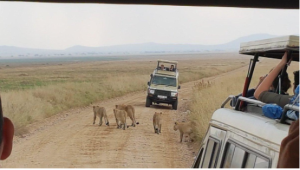
As temperatures ease, the bush reawakens. Shadow lengthens. Wind shift. Animals begin to move again, slowly at first, then with growing purpose. Grazers return to the open area. Elephants walk toward water. Predators stretch, alert once more. This is the second peak of wildlife activity for which Tanzania is known.
The afternoon game drive feels different from the morning one. They’re calm, warm, and often more reflective. You’re not chasing activity, you’re easing back into it.
This gentle return of movement reinforces the safari rhythm in Tanzania. Nothing feels forced. The day unfolded in waves rather than a straight line.
Evening Safari Moments
Sunset changes everything. Light softens. Colors deepen. The air is cool. Animals prepare for the night, and predator behavior becomes more visible. Lions become alert. Leopards move with intention. Nocturnal species begin to stir.
Evening moments often feel intimate. You might sit quietly, watching silhouettes move against the sky, aware that this window is brief and unrepeatable.
A Tanzania safari day doesn’t end abruptly. It tapers off, mirroring the natural transition from day to night. Guide watch the light, not the clock, knowing when to linger and when to return. These moments are often the most emotional, not because of drama, but because of atmosphere.
How Guides Read the Day
Behind the ease of a safari day is constant awareness. Our experienced guides don’t follow a rigid plan. They read weather patterns, animal behavior, wind direction, and light. They adjust route and timing instinctively, often without explaining why. This flexibility is what makes safari days feel so balanced.
If wildlife is active longer than expected, the day stretches. If the heat arrives early, plans shift. The guide’s role is to interpret cues, not impose structure.
This is why working with knowledgeable Tanzania travel guides matters. Their understanding of wildlife rhythm transforms logistics into flow.
Weather, Timing, and Balance
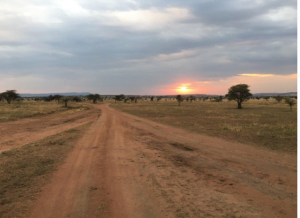
The rhythm of a safari day is deeply influenced by the weather in Tanzania. Cool seasons allow a longer drive. Hot months emphasize midday rest. Rain change movement pattern and light quality. Each variation subtly reshapes the day without breaking its balance.
Understanding this helps travelers appreciate why the Best Time to Visit Tanzania isn’t just about months, it’s about daily rhythm. Every season offers its own version of the safari day, all guided by the same natural logic. When expectation aligns with this rhythm, frustration disappears. What remains is ease.
Why It Feels So Natural
Safari days feel natural because they’re built on observation, not control. You wake when the land wakes. You pause when the land pauses. You move when movement returns. This alignment creates a sense of balance that’s rare in modern travel and even rarer in daily life. There’s no multitasking. No rushing. No pressure to fill every minute. Instead, the day breathes.
By the end of a Tanzania safari day, travelers often feel grounded and calm, even after hours outdoors. The rhythm doesn’t exhaust it restore.
CONCLUSION: CARRYING THE RHYTHM WITH YOU
Many people leave Tanzania changed in small but lasting ways. They wake early. They listen more. They accept a pause. They move with intention instead of urgency. The safari rhythm lingers because it feels right. A Tanzania Safari doesn’t just show you wildlife, it reminds you how to live in time rather than against it.