
Discover the art of perfect Eid Ul Adha greetings! Learn how to respond with grace and make lasting impressions.
This article aims to provide guidance on the appropriate responses to Eid ul Adha greetings.
Eid ul Adha, also known as the Festival of Sacrifice, is a significant religious observance celebrated by Muslims worldwide. Understanding the significance of this festival is essential in order to respond appropriately to greetings exchanged during this time.
Traditional greetings such as ‘Eid Mubarak’ hold deep cultural and religious meanings and should be acknowledged with gratitude and well wishes. Additionally, sharing blessings and prayers is a meaningful way to respond to these greetings.
It is important to consider cultural etiquette when responding, considering different greeting formats and methods of communication. Whether through face-to-face interactions or digital messages, embracing the spirit of Eid ul Adha entails responding in a manner that reflects kindness, respect, and a desire to serve others.
Correct Responses To Eid Ul Adha Greetings: In response to Eid ul-Adha greetings, one might say: “Eid Mubarak! May the blessings of this sacred occasion fill your life with joy and prosperity. Thank you for your kind wishes!”
Understanding the Significance of Eid ul Adha
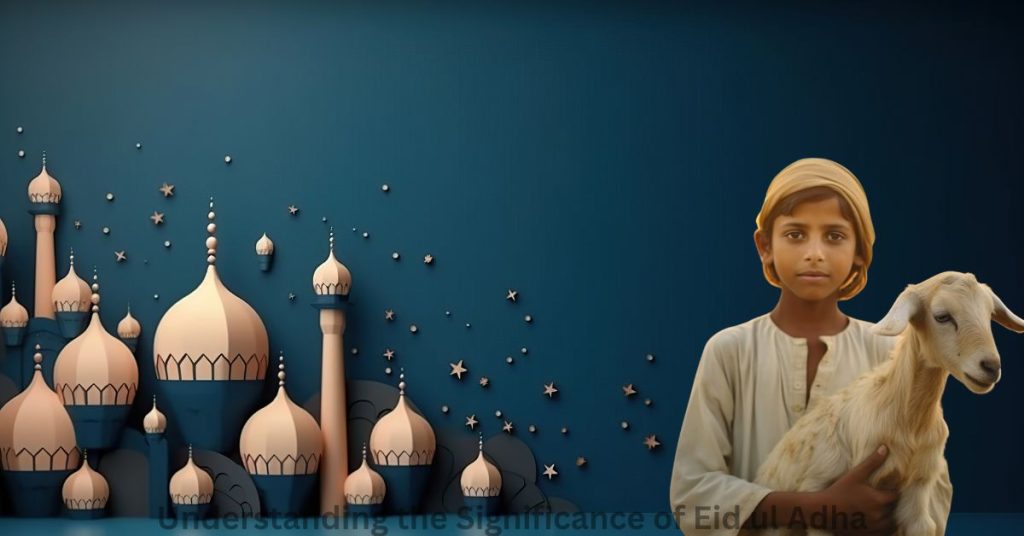
Eid ul Adha, also known as the Feast of Sacrifice, holds great significance in Islam as it commemorates the willingness of Ibrahim to sacrifice his son as an act of obedience to God. This event symbolizes Ibrahim’s unwavering faith and devotion to Allah.
Muslims worldwide celebrate this occasion by performing the ritual slaughter of an animal, usually a sheep or goat, and distributing its meat amongst family, friends, and those in need. Sacrificing an animal represents selflessness and reminds individuals about giving back to their community.
Additionally, Eid ul Adha serves as a reminder for Muslims to reflect on their own sacrifices and acts of obedience towards Allah throughout their lives. It is a time for spiritual growth, prayer, and unity as a united Muslim community.
Traditional Greetings and Their Meanings
Traditional greetings exchanged during Eid ul Adha hold deep cultural significance and reflect the community’s rich heritage, fostering a sense of unity and celebration.
These greetings are an integral part of this Islamic holiday’s festive atmosphere.
One common greeting is ‘Eid Mubarak,’ which translates to ‘Blessed Eid.’ This phrase conveys well wishes for a joyous and blessed holiday season.
Another popular greeting is ‘Taqabbal Allah minna wa minkum,’ meaning ‘May Allah accept it from us and you.’ This expression emphasizes the importance of sincerity in worship and encourages mutual acceptance and goodwill among individuals.
By exchanging these traditional greetings, community members express their joy and reinforce their shared values and commitment to serving others during this special occasion.
Responding with “Eid Mubarak”
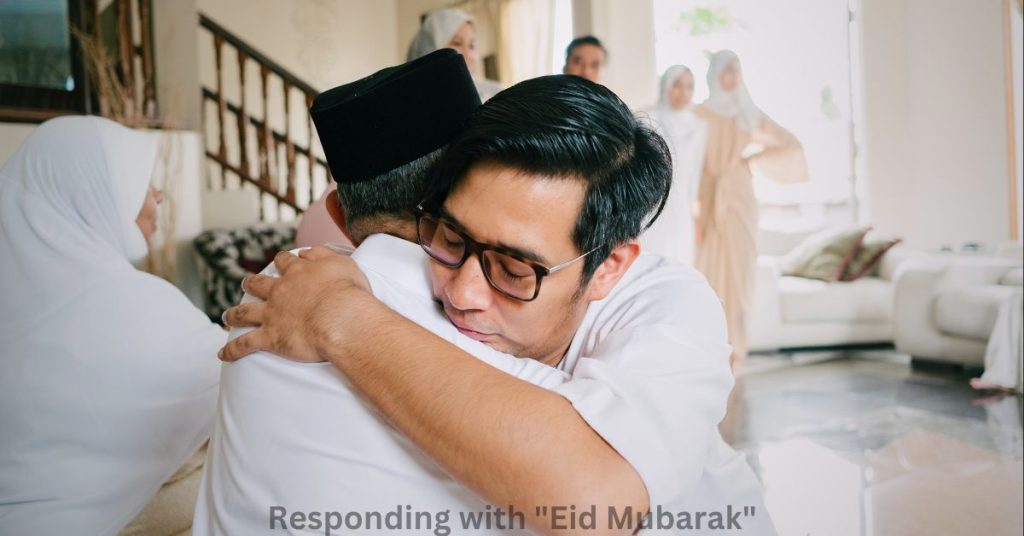
One customary way to acknowledge the well-wishes from others during this Islamic holiday is by reciprocating with the expression ‘Eid Mubarak.’
This phrase, which translates as ‘Blessed Eid’ or ‘Happy Eid,’ is commonly used to respond to greetings and extend good wishes to the person who initiated the greeting.
By responding with ‘Eid Mubarak,’ individuals demonstrate their appreciation for the kind sentiments expressed towards them and convey their blessings for a joyous and blessed celebration.
This response is significant as it exemplifies Eid ul Adha’s unity, compassion, and goodwill.
It also reflects the desire within many individuals to serve others and spreads happiness among communities celebrating this auspicious occasion.
Overall, using ‘Eid Mubarak’ as a response helps foster a sense of connectedness and harmony during this festive period.
Expressing Gratitude and Well Wishes
Expressing gratitude and extending well wishes during this festive period helps foster a sense of connection and unity among communities celebrating this auspicious occasion.
Responding to Eid ul Adha greetings is customary by expressing appreciation and offering good wishes. This demonstrates a spirit of gratitude, kindness, and goodwill towards others. Common responses include saying ‘Thank you’ or ‘Eid Mubarak to you too,’ which acknowledges the greeting and reciprocates the good wishes.
Additionally, some individuals may express their gratitude further by saying, ‘May Allah bless you and your family abundantly during this blessed time’ or ‘May your sacrifices be accepted by Allah.’ These responses show appreciation and convey sincere blessings for the person who extended the initial greeting.
By exchanging these expressions of gratitude and well wishes, individuals strengthen their bonds with one another, fostering a sense of community and harmony.
Sharing Blessings and Prayers
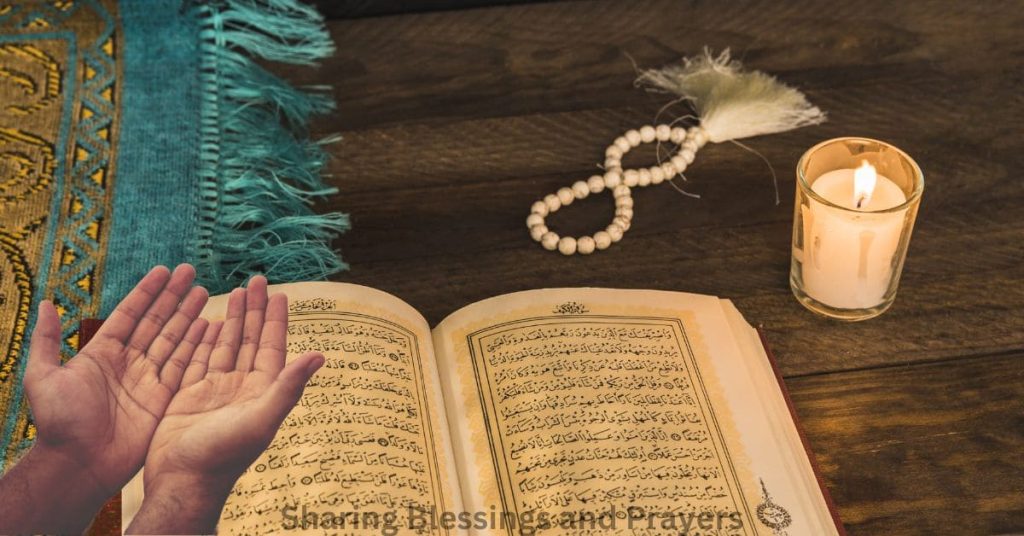
Sharing blessings and prayers is an integral part of celebrating Eid ul Adha. It allows individuals to invoke divine blessings and offer supplications for the well-being and prosperity of their loved ones. This practice reflects the essence of selflessness and compassion underlying this occasion’s spirit.
By sharing blessings, individuals express their gratitude for the abundance in their lives and extend good wishes to others. It is an act that strengthens personal relationships and fosters a sense of community and unity among people.
Through prayers, individuals seek guidance, forgiveness, and protection from Allah. They also ask for His mercy upon themselves and those they care about. Such acts highlight the importance of serving others and promoting a culture of empathy, kindness, and positivity within society during the Eid ul Adha celebrations.
Cultural Etiquette for Eid ul Adha Greetings
Transitioning from the previous subtopic of sharing blessings and prayers, discussing the cultural etiquette for Eid ul Adha greetings is essential. Understanding and respecting cultural norms when exchanging greetings during this occasion is crucial in fostering harmonious relationships.
In Islamic tradition, it is customary to greet one another with the phrase ‘Eid Mubarak,’ which translates to ‘Blessed Eid.’ Responding to these greetings should be done with warmth and sincerity, expressing gratitude for their good wishes.
Additionally, it is considered polite to reciprocate the greeting by saying ‘Eid Mubarak’ in return or using phrases like ‘May your Eid be filled with joy and blessings.’ By adhering to these cultural etiquettes, individuals demonstrate their respect for Islamic traditions while fostering a sense of unity and goodwill within the community.
Serving others by understanding and following these practices contributes positively towards building strong intercultural bonds during Eid ul Adha celebrations.
Responding to Different Greeting Formats
Understanding the appropriate way to respond to various formats of greetings is crucial in maintaining cultural harmony and fostering a sense of unity during Eid ul Adha celebrations. When responding to different greeting formats, it is important to consider the cultural norms and customs associated with each format.
For instance, if someone greets you by saying ‘Eid Mubarak,’ an appropriate response would be ‘Eid Mubarak to you too.’ Similarly, if someone greets you by saying ‘Blessed Eid,’ a suitable response would be ‘May your Eid be blessed as well.’
Acknowledging the effort put into sending greetings by responding with gratitude and sincerity is also important. Responding to different greeting formats requires sensitivity towards cultural nuances and a desire to serve others by promoting inclusivity and respect during Eid ul Adha festivities.
Sending Digital Greetings and Messages
Digital communication has become increasingly prevalent during Eid ul Adha celebrations, allowing individuals to send greetings and messages electronically. This mode of communication allows for quick and efficient transmission of well wishes to family, friends, and acquaintances.
With the rise of social media platforms and messaging apps, individuals can easily share their sentiments through text messages, emails, or even personalized digital cards. Digital greetings also provide the added advantage of being customizable with different fonts, colors, and images that reflect the festive spirit of Eid ul Adha.
Moreover, this mode of communication is not limited by geographical boundaries, allowing people separated by distance to connect and exchange warm wishes on this auspicious occasion.
Overall, digital greetings enable individuals to extend their heartfelt wishes conveniently and thoughtfully during Eid ul Adha celebrations.
Embracing the Spirit of Eid ul Adha
Embracing the principles and values of Eid ul Adha is an integral part of celebrating this important religious occasion. This festival emphasizes selflessness, compassion, and generosity towards others, especially those in need.
Muslims are encouraged to engage in acts of charity and service during Eid ul Adha as a way to demonstrate their devotion and gratitude to Allah. One way to embrace the spirit of Eid ul Adha is by volunteering at local charitable organizations or participating in community service projects.
Additionally, sharing food with friends, family, and neighbors is another way to embody the essence of this festive occasion. By embracing these principles and actively seeking opportunities to serve others, individuals can truly experience Eid ul Adha’s true spirit and positively impact their communities.
FAQs for Correct Responses To Eid Ul Adha Greetings
Q.1 What are some common traditional greetings used during Eid ul Adha?
Standard traditional greetings used during Eid ul Adha include “Eid Mubarak” (Blessed Eid) and “Taqabbal Allah Minna Wa Minkum” (May Allah accept from us and you). These greetings express well-wishes, blessings, and unity among Muslims during the festive occasion.
Q.2 How do people usually respond to greetings during Eid ul Adha?
People usually respond to greetings during Eid ul Adha by saying “Eid Mubarak” or “Barka da Sallah” in Arabic and Hausa respectively. This traditional response expresses well wishes and is a common way of acknowledging the greeting.
Q.3 What are some cultural etiquette tips to keep in mind when exchanging greetings during Eid ul Adha?
Some cultural etiquette tips to keep in mind when exchanging greetings during Eid ul Adha include using appropriate greetings, showing respect for religious customs, and offering good wishes and blessings.
Q.4 How can one send digital greetings and messages to friends and family during Eid ul Adha?
Digital greetings and messages can be sent to friends and family during Eid ul Adha by utilizing various online platforms such as social media, email, or messaging apps. These methods allow individuals to express their well-wishes and convey their Eid greetings effectively and conveniently.
Q.5 How can individuals embrace the spirit of Eid ul Adha in their greetings and well wishes?
Individuals can embrace the spirit of Eid ul Adha in their greetings and well wishes by expressing sincerity, empathy, and generosity. They can convey blessings, reflect on the significance of sacrifice, and offer prayers for peace, unity, and prosperity.
Conclusion
In conclusion, understanding the significance of Eid ul Adha is crucial in responding appropriately to greetings.
Traditional greetings such as ‘Eid Mubarak’ should be used to convey well wishes and express gratitude.
Sharing blessings and prayers further enhances the spirit of this important festival.
It is also essential to adhere to cultural etiquette when responding to different greeting formats.
In today’s digital age, sending digital greetings and messages has become popular, allowing people to connect and embrace the spirit of Eid ul Adha regardless of distance.
After reading this extensive guide on providing the correct responses to Eid Ul Adha greetings, we trust that you will have gained a thorough understanding. Should you have any inquiries, please don’t hesitate to leave a comment below!