
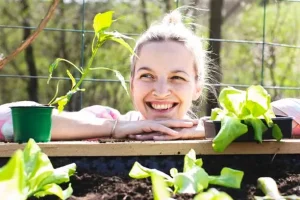
Starting a home garden can completely transform your outdoor space into something both productive and beautiful, a place that provides fresh produce, boosts your property’s curb appeal, and becomes a hobby you’ll actually look forward to. Whether you’re working with a sprawling backyard or just a modest balcony, there’s a gardening approach that’ll work for your situation and experience level. Success really comes down to grasping some fundamental principles and taking things step by step rather than diving in headfirst. When you learn the basics before breaking ground, you’ll sidestep the common pitfalls that leave many new gardeners feeling discouraged. This guide walks you through the essential considerations and practical steps needed to establish a garden that actually thrives and aligns with what you’re hoping to achieve.
Selecting the Right Location for Your Garden
The spot you choose for your garden will make or break your results, which makes this decision one of the most important you’ll face as a beginner. Most vegetables, herbs, and flowering plants need at least six to eight hours of direct sunlight each day to really flourish and produce well. You’ll want to observe your yard at different times throughout the day to identify which areas get adequate sun, keeping an eye on how shadows from buildings, trees, and fences shift as seasons change. Beyond sunlight, think about how close you are to a water source, having one nearby makes regular watering far more convenient and helps you stay consistent with plant care.
Understanding Soil Quality and Preparation
Healthy soil serves as the backbone of any garden worth its salt, delivering essential nutrients, proper drainage, and the structural support roots need to develop. Before you plant a single seed, get a soil test done through your local extension office or with a home kit to figure out your pH levels and what nutrients you’re working with. Most vegetables and popular garden plants do best in slightly acidic to neutral soil, somewhere between 6. 0 and 7.
Choosing Appropriate Plants for Beginners
Picking the right plants for your first garden means finding that sweet spot between what you’d actually enjoy growing and what won’t drive you crazy with difficulty. As a beginner, you’re better off starting with forgiving varieties that can handle minor mistakes and deliver quick results to keep you motivated. Vegetables like tomatoes, lettuce, radishes, and zucchini typically perform well for newcomers and provide harvests fast enough to make the whole endeavor feel worthwhile. Herbs such as basil, mint, and parsley need minimal fussing while supplying fresh flavors for your cooking all season long. When you’re making your selections, always double, check that plants suit your USDA hardiness zone, which tells you what can actually survive your climate based on typical winter lows. Think about how much time you can realistically devote to maintenance, since some plants demand more attention through staking, pruning, or pest control than others. For gardeners interested in specialty crops, starting with quality marijuana seeds ensures strong genetics and reliable germination rates in controlled growing environments. Take a moment to read seed packets or plant tags thoroughly, they’ll give you solid information about spacing needs, how long until harvest, and specific care instructions that’ll guide your decisions.
Establishing a Watering and Maintenance Routine
Consistent watering and regular upkeep make all the difference between a garden that thrives and one that merely survives, so getting into a rhythm matters more than you might think. Most garden plants need roughly an inch of water weekly, whether that comes from rain or you watering them yourself, though exact needs shift based on what you’re growing, your soil type, and current weather. Water deeply but less often rather than giving plants a light sprinkling every day, this pushes roots to grow deeper and creates tougher plants that can handle short dry spells. Early morning watering works best because foliage has time to dry before evening, cutting down on fungal diseases that love staying damp overnight.
Managing Common Garden Challenges
Every gardener runs into obstacles eventually, but knowing how to tackle typical problems keeps your garden healthy and productive throughout the season. Pests rank among the most frequent headaches, with insects like aphids, caterpillars, and beetles capable of wreaking havoc if you let them run wild. Learning to tell the difference between harmful pests and helpful insects means you can take action without wiping out the natural predators that actually help control pest numbers. Hand-picking larger pests, using row covers to physically block insects, and trying organic pest control approaches offer effective solutions without resorting to harsh chemicals.
Conclusion
Starting a home garden takes thoughtful planning, steady effort, and an openness to learning from the inevitable mix of wins and losses that come with the territory. When you concentrate on core elements like choosing the right spot, preparing your soil properly, selecting appropriate plants, and maintaining regular care, you’re building a solid foundation that sets you up for success. Keep in mind that gardening skills develop gradually through watching and doing, so give yourself permission to approach your first garden with patience and grounded expectations. The payoff, fresh produce, gorgeous blooms, and the genuine satisfaction of nurturing plants from start to finish, makes every lesson learned absolutely worth it. As your confidence grows and your knowledge deepens, you can expand your garden space, try out new varieties, and fine-tune techniques that work best for your particular situation and goals.